San Diego County Probation Helps Youth Plan for Successful Reentry Into the Community
From San Diego County News Center.
SAN DIEGO, Calif., – November 24, 2025 - The Cal-AIM Justice-Involved Initiative can benefit people recently released from custody. It can reduce medical and behavioral care service gaps and emergency room visits. The initiative is in motion to launch in correctional facilities across the state.
…
In October, County Probation’s youth correctional facilities became the first in the region to go live with this new system. San Diego is the third county probation department in the state to implement this system.
Probation can now bill the state to recapture some of the costs of providing treatment to youth. This new revenue will enhance treatment and therapy options for youth in custody.
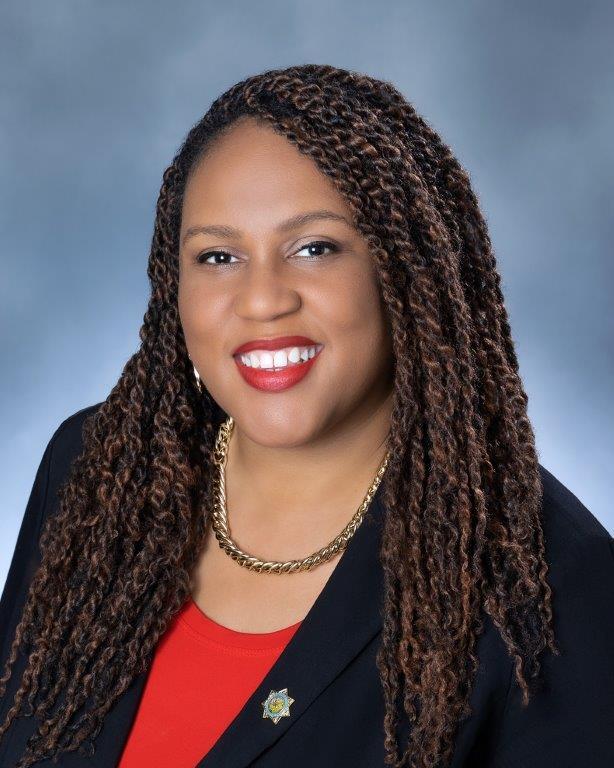
“San Diego County has long been a leader in the reentry space and this milestone has truly been a department-wide achievement,” said Chief Probation Officer Tamika Nelson. “The outstanding collaboration, process improvement, and dedication across every division, along with our partners, has brought us a long way in a short time. We are working to ensure youth leaving our facilities are connected to the medical and behavioral health care and community support they need to succeed.”
In its first month, Probation referred 54 reentry youth to the County’s behavioral health services provider. The goal is treatment without interruption. Youth who are taken into custody, often do not have consistent access to physical or behavioral health services in the community.
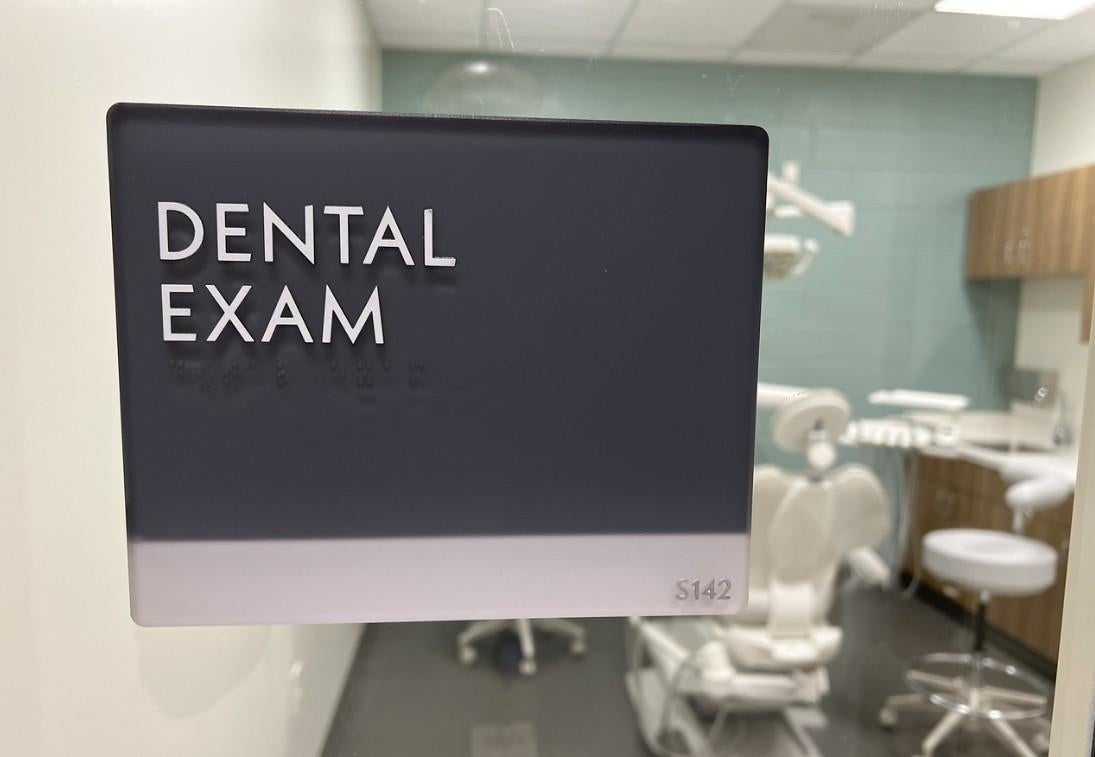
Youth receive comprehensive medical, dental, vision, and behavioral health care in custody. The issue is they may discontinue behavioral health, medications and treatments even regular medical and dental care after their release, Probation’s medical director Dr. Louis Gilleran said. This can lead to negative outcomes. So now, there is a larger effort to link youth to care after release.
Funds received from the state will go to further enhance in-custody treatment, therapy and occupational programs to benefit youth and their families, said Michael Kelley, MSN and Probation’s healthcare operations manager.
“We are enrolling youth, activating benefits, and will be implementing automated billing processes in February. We also continue to meet regularly with leadership and partners to improve these processes,” Kelley said.
Before leaving custody, youth will be enrolled in Medi-Cal, ensuring uninterrupted access to health coverage and community-based services.
Youth and their parents will meet with the Probation reentry team, including a pre-release care manager and embedded behavioral health clinician to ensure everyone involved understands the youth’s care plan and next steps.
After release, youth will receive a coordinated transition of care plan designed to support their health and stability including a 90-day supply of prescribed medications and direct connections to ongoing behavioral health support in the community. Youth will be assigned to a managed care provider for follow-up medical and dental care; and paired with an enhanced care manager to help them and their family navigate appointments, address social needs, and connect with housing and food resources.
“This collaboration creates a safety net of support that extends beyond the facility walls, helping the youth stay healthy, connected, and focused on their future,” Gilleran said.
Read the article here.